故宮英文導游詞
作為一名樂于為游客排憂解難的導游,總不可避免地需要編寫導游詞,導游詞是導游員在游覽時為口頭表達而寫的講解詞。優秀的導游詞都具備一些什么特點呢?以下是小編為大家收集的故宮英文導游詞,歡迎大家借鑒與參考,希望對大家有所幫助。
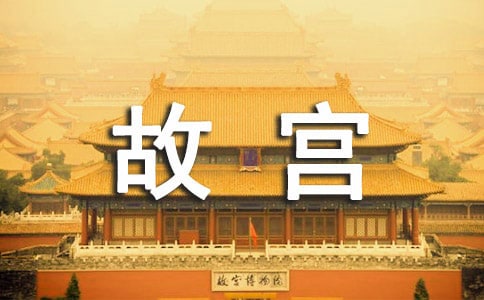
故宮英文導游詞1
Ladies and gentlemen, children: Hello, everybody! Welcome to the Imperial Palace. I'm glad to be able to serve you today. I'm the guide Li Dong, and everyone calls me Xiao Li. The Imperial Palace is the largest royal garden Museum in China. I am very happy to have the opportunity to accompany you to enjoy its beautiful architectural art and spend this wonderful time together.
The the Imperial Palace Museum, also known as the Forbidden City, is located in the center of Beijing. Today, it is called the Imperial Palace. It is unique, exquisitely carved, ancient architectural masterpiece in China.
Tourists, now we have come to the hall of Taihe. The Imperial Palace is the three main hall of the temple, built in the 5 meter high white marble platform, the platform is surrounded by carved dragon pillars. Approached the Taihe palace, you will find the Queen's place of residence, there are dragon, golden dragon throne and Lek powder column.
Tourists, we continue to go forward, now come to Zhonghe hall, Zhonghe hall in the temple of Taihe, is one of the three main hall of the Imperial Palace. The hall is a square hall with a single spires. Yellow glazed tiles four corners to save the top, is the place of the royal life.
Then go inside is then, Paul hall and hall is located, is the the Imperial Palace Hall three tail. There are things on both sides of the house for the art history museum, on display from the primitive society to the Qing Dynasty six thousand years of Chinese art treasures.
It goes to the depth of the Imperial Garden. It covers an area of eleven thousand square meters. It centers on the palace of Qinan. It is the back garden of the emperor.
Ladies and gentlemen, our tour of today is about to end. It's a great pleasure to spend this wonderful time with you. If I have any suggestion or request for my tour guide today, please put forward some valuable advice and I will try my best to correct it. I wish you all a good time. Thank you
故宮英文導游詞2
The Gate of Heavenly Purity, where emperors from Kangxi to Xianfeng in Qing Dynasty sat on the throne hearing reports and making decisions, is the main gate of the Inner Court.
In front of the Palace of Heavenly there is a small miniature gilded pavilion standing on the east is called Jiangshan Pavilion, representing the integrity of the country; the one on the west is called Sheji Pavilion , the God of Land and Grain, a symbol of bumper harvest in agriculture.
The first of the three back palaces, the Palace of Heavenly Purity was where the 14 emperors of the Ming and the first two emperors of the Qing Dynasties lived and handle the daily affairs. It was used as an audience chamber for receiving envoys from vassal states who presented their tributes to the emperor. Here was also the place for holding the mourning service for the deceased emperor. The famous “banquet of thousand aged people” was held twice here in the Qing Dynasty. The three famous events took place here. They are “the red pill” event, the “palace coup in 1542” and the event of “moving from this palace.”
The plaque inscribed by the first Qing Emperor Shunzhi, hangs over the throne in the palace and reads, “Be Open and Aboveboard.” It enumerates with modesty, the qualities an ideal Son of Heaven should possess. Beginning in the Qianlong's reign, for reasons of security the name of the successor to the throne was not announced publicly, as it had been preciously, but was written instead on two pieces of paper, one kept on the emperor's person throughout his reign, and the other placed in a small box that was stored behind this plaque. The box was opened only when the emperor passed away.
The Palace of Union and Peace was the place where the empress held the important ceremonies and her birthday celebration. The empress usually received greetings from the concubines, concubines, princes and princesses on her birthday celebration.
In the Qing Dynasty, the ceremony for examining the tools of picking mulberry was held here one day before the empress went out to offer the sacrifices on the altar for silkworm in spring.
In 1748, Emperor Qianlong kept twenty-five imperial seals in this hall, symbolizing the imperial power of the emperor. Twenty-five was regarded as a heavenly number for the reason of that: if we plus the total odd numbers of one, three, five, seven and nine together, that is twenty-five which means the imperial authority from the heaven and also indicates the Qing dynasty could rule the country for at least twenty-five generations.
The Water Clock is placed on the west side of this building. It is a time-measure, made by the manufacturing office of the Qing Dynasty based on the Western mechanic theory. On the west of this building, there is a 5.6-meter-high large western chiming clock.
There is a plaque hung in the center of this hall, with two Chinese characters “Wu Wei” inscribed on it.
The palace of Earthly Tranquility was used as the residence for the empresses during the Ming and early Qing dynasties. During the Qing dynasty, the western chamber became the wedding chamber for the emperor.
The Imperial Garden is located on the north-south axis almost at the north-south axis almost at the northern end of the Forbidden City. It is rectangular in shape, 90 meters long from north to south and 130 meters wide from east to west, with an area of over 11, 700 square meters.
The Hall of Imperial Peace is the main building in the Imperial Garden and also the only religious building built along the central axis. It is a Taoist temple and inside the hall the statue of the King of Xuan Wu used to be enshrined.
There are four pavilions built on left and right of the Hall of Imperial peace, two on each side, representing the four seasons of the year. Near the north gate in the Imperial Garden, the Imperial View Pavilion stands on an artificial hill of rocks. The rockery is called “Collecting Elegance Hill”。 In the old days, the emperor would climb up the hills to celebrate the Double Ninth Festival every year in this way.
故宮英文導游詞3
Hello and welcome to the Forbidden City to visit, my name is Chen, you call me Chen guide line. I'll introduce you to the palace, after introducing taihe palace, zhonghe palace and Baohe Palace, dry, and the qing. The Palace Museum, also known as the Forbidden City, is China's important historical relics protection, 1987 by the UNESCO "world cultural heritage" list. Two views are the origin of the Forbidden City, the first one is in accordance with the theory of ancient Chinese horoscope, the north star in transit, the Forbidden City just to the north star, corresponding to the nature and man; The second is: for the palace is purple, it is beat city, so the imperial palace is also called the Forbidden City. In the Ming dynasty emperor yongle began to build the palace, to the Ming yongle eighteen years (1420). After more than five hundred years, a total of 24 emperors living here. There are 10 m high wall around the Forbidden City and 52 m wide moat. City, north and south long 961 m, 753 m wide, covers an area of 720000? . The palace building layout along the central axis to expand, palace building area of 163000? . The hall of supreme harmony is the emperor summoned minister to hold and discuss state affairs. Since 1420, after the completion of burned repeatedly, and rebuilt many times, see today is the qing dynasty emperor kangxi thirty-four years (1695) reconstruction. The hall of supreme harmony construction area of 2377? , the equivalent of 50 classrooms, 35.05 m high, equivalent to ten stories tall, is the largest temple in the Forbidden City. The hall of supreme harmony decoration is very luxurious, spread inside the brics, sets up the throne. The brics, but the brics is not made of gold, the brics is meant for use by the palace a quality shop place brick, made in places such as suzhou, songjiang, excellent materials, production process complicated. Because of its strong fine texture, knock up a metallic sound, therefore the brics. Before the hall of supreme harmony has a broad platform, called Dan positions, commonly known as the platform. Platform display sundial, jia quantity each, turtles, copper crane each pair, bronze dings 18. Everybody look on both sides of the hall of supreme harmony, there are a lot of big tank? It is stem what of, by the way, is a fire. The bottom of the tank has a groove, because the water freezes in winter, fire into the groove can not let the water freezes. The hall of supreme harmony is the most is always important in the Forbidden City palace, many will go out from this historical decisions. After the hall of supreme harmony is zhonghe palace, is the place where the emperor rest forwards. Baohe Palace is located in and behind the house, is where the first position. Exam's first name, second name is pound of eye, the third is the number three. I don't know the emperor sits on the above, the examinee is nervous shiver. The emperor put position within the palace, the emperor is more visible attaches great importance to the first position. The palace after half is the place where emperors and concubines life and living. Qing dynasty palace is the largest palace harem, is the emperor's bedroom. Palace hanging above the throne "legitimate" plaque, reportedly emperor himself prince name on the "legitimate" plaque, heir to the throne were determined by this method, and reduce the fight for the throne since the massacre. Palace of earthly tranquility is the queen's bedroom, it is the only one on the central axis of the living quarters for the concubine, also from dry recently, qing reflects the status of the queen in the palace, "behind a successful man, there is always a successful woman" this sentence for here. In front of the palace of earthly tranquility there is a small palace hall, it is the queen in the art festival handsel. Just important palace on the central axis, which we paid a visit to the back of the central axis is the imperial garden, both sides have some palace, the first part is the hall of supreme harmony as the center, in the second part is the living quarters for the some concubines and maids. Explanation is completed now, please visit freely.
故宮英文導游詞4
Dear visitors, we are visiting the Imperial Palace in Beijing. The the Imperial Palace is the palace of the two emperors in the Ming and Qing Dynasties. It is one of the scenic spots on the list of world heritage sites in China.
Look here, this is our destination - the Imperial Palace. Please get off and visit. Look, how magnificent the the Imperial Palace is! It is a grand palace built by 230 thousand migrant workers and military workers after 14 years. It is the earliest palace in the East with 9999 rooms. It is the largest palace group in the world.
The area where the palace is located is called imperial city. It's 2500 meters wide. 2700 meters long from north to south, the imperial city by tall and sturdy Chengzhuan brick, surrounded by a door -- door: East Donghua; West Xi'an; South - North Tiananmen Square - Tiananmen. The Imperial Palace (included in the Beihai, the sea, the South China Sea). The top of the altar and the temple, built by the royal temple and other buildings. It's very spectacular.
Miyagi is called the Forbidden City. In the Imperial City, the north and the south are about 960, rice, about 760 meters, and the rectangular plane. The palace is surrounded by brick walls, corners and a beautiful wall is surrounded by open towers. Donghua east gate; West Xihua; North - South Gate - shenwumen. The Meridian Gate built in the city high Jun magnificent, here is the Meridian Gate, the weather is mighty guarded, Ban Zhao place.
The Forbidden City, and the extension part roughly in two areas. North Korea is the emperor in his place, have after harmony. The three big hall. Each building in the white marble platform, as can be imagined, how precious ah!
The northern part of the whole palace is the Royal Garden - Summer Palace. There are the hall of Chin an in the garden. There are a variety of flowers, green pines and verdant cypresses, Guaidan Fu Li, water beads in the the Imperial Palace is the most warm place. The beautiful scenery of the Imperial Palace is great! I say I can't say it, or please do your own sightseeing.
故宮英文導游詞5
Everybody is good! Welcome to the Palace Museum, I'm glad to serve you, I am the guide from this journey all Korean an inscription, everyone call me Korean guide line. Today I accompanied him you have a good time.
Now, you have came to the Forbidden City, which is located in the centre of Beijing by bus. 24 emperors lived here, is the imperial palace during the Ming and qing dynasties, it is the Palace Museum. The palace the whole building magnificent and solemn gorgeous, whether plane layout, magnificent mountains, in the form of the 3 d effect still is incomparable masterpiece.
Let's watch the center axis of the palace! The central axis in the central axis of Beijing city. After the three main halls, palace, imperial garden is located in the central axis. On both sides of central axis of the palace, but also with many house, grand magnificent.
Looking at central axis, art treasures museum! Some of the Forbidden City palace the establishment of a comprehensive history museum of art, painting, pavilion pavilion, classification of ceramics, bronze, engraved hall, toys, craft art gallery in the Ming and qing dynasties, pavilion, four treasures of the study hall, pride, watches and clocks, and judgments of clear acting palace relics exhibition, collect a large number of ancient art treasures. According to statistics, there are 102653, including many cultural relics are unique priceless.
Even the palace of the four corner, every Angle has 18 column seventy-two liras turrets, there is a legend about turrets. One day, the emperor yongle let ministers in the Forbidden City on the four horns of building a nine beam column 10 seventy-two liras, baffled ministers to it. One day, a carpenter saw a des sauterelles cage, very strange, feel cage went up and took a look, a number, that's nine beam column seventy-two liras ten! The carpenter immediately to the secretary. From then on, they left such turrets.
Dear visitors, our today's tour end, right now, today's explanation to me, you are welcome to put forward opinions and Suggestions, I am thankful. Finally, I wish you all have fun! thank you
故宮英文導游詞6
各位朋友,穿過午門,現在我們已經進入故宮。故宮中這第一進院落就是太和門廣場。首先我們看到是內金水河,它子西向東婉言流過太和門廣場,上邊有五座漢白玉石橋,就是內金水橋,它們象征五德,即仁、義、禮、智、信,是皇帝集美好的品質為一身的意思。金水橋下市內金水河,內金水河從紫禁城西北角筒子河涵道引入紫禁城,沿紫禁城內西側南流,至武英殿東向,經武英殿門前,再東經涵道至太和門前。又經涵道東出至文淵閣前水池,從文淵閣東出經三座門前石橋,最后流入無門東側筒子河,全長2100米。內金水河的作用不僅是故宮中排水的主要通道,也是宮中營造用水和滅火的主要水源,同時還起到了分隔空間、點綴景觀的作用,使太和門廣場在雄渾中不失秀美。
跨過金水橋,這片廣場曾經是明代皇帝玉門聽政時百官待駕的地方。何謂“御門聽政”呢?這“御門”即指太和門,即前朝的正門,初建于明永樂年間,當時叫奉天門,明嘉靖年間改稱皇極門,清順治年后改稱太和門。“聽政”是指聽取政事。明永樂皇帝朱棣遷都北京不到百日,三大殿被大火燒毀,朱棣曾在此御門聽政,處理國家朝政。清朝入關后,清世祖福臨的登基典禮、加封多爾袞為叔父攝政王、封吳三桂為平西王等活動都是在太和門舉行的。
太和門東廡中間的門叫協和門,西廡中間的門叫熙和門。太和門、協和門、熙和門加上前朝三大殿的太和殿、中和殿、保和殿稱為“六合”。在太和門兩旁還有兩道門,分別為昭德門和貞度門。
過了太和門我們就來到了故宮中最重要的院落--太和殿及其廣場。太和殿廣場幾本呈正方形,整個院落平坦寬闊,氣勢非凡。中間御路以青石,兩側青磚墁地。北有太和殿,南為太和殿,東為體仁閣,西為弘義閣,面積約3萬平方米,是整座紫禁城面積的1/24。整個廣場可容納近7萬人。在每年的元旦、冬至以及皇帝登基、大婚、萬壽這些重大活動的時候,都要在太和殿以及太和殿廣場舉行隆重的大朝禮。
大家請看,遠處正前方是一片漢白玉雕砌的三層高臺基,呈“土”字形,俗稱“三臺”。臺基高8.13米,臺邊緣高7.12米,三層臺基間,分列著18尊鼎式香爐。在每一層基座的邊緣都伸出很多小龍頭,那些小龍的名字叫“螭”,是傳說中一種沒有角的龍,這些小龍頭實際上是大殿的排水系統。如果仔細看會發現每個龍頭的嘴里都有一個小孔,即噴水孔,三層基座之上共設小龍頭1142個,每當下大雨的時候,雨水便從1142個龍頭嘴里的小孔內排出,非常壯觀。為管中一景,被稱為“千龍吐水”。三重臺基承托著雄偉的三大殿,這就是故宮的中心建筑--太和殿、中和殿、保和殿。其中太和殿位于“土”字形須彌座的南部,各位可以先在這里留個影,然后我們就去參觀太和殿。
好!現在我們面前這座高臺上的宏偉建筑就是太和殿,也就是民間所說的“金鑾寶殿”。太和殿是紫禁城的正殿,被視為黃泉的象征。太和殿始建于明永樂年間,原名奉天殿,嘉靖年間重建后改稱皇極殿。清初順治年間改稱太和殿,康熙年間又兩次大規模改造,才有今天我們看到的太和殿的規模。“太和”二字出自《周易乾彖辭傳》中的“乾道變化,各證性命,保合大和乃利貞。”“太”即大,“和”即和諧。意思是在天道的主宰夏,陰陽和合,太和元氣常運不息,萬物和諧共存。太和殿面闊11間,進深5間,殿高35.05米,面積約2377平方米。它是紫禁城乃至全國現存的最高、最大、最尊貴的宮殿,也是現存的中國宮殿建筑中規模最大的一座。太和殿在清明兩代是舉行大朝禮的地方。每逢元旦、冬至、萬壽,即皇帝生日這三大節及皇帝登基、大婚、命將出征、金殿傳臚等重大活動都要在他喝點舉行隆重的慶典。此外,冬至圜丘壇大忌、孟春圜丘壇常雩禮、孟春祁谷壇前一日,皇帝也都要在太和殿閱視祭祀祝版。
大家請抬頭看太和殿的屋頂,太和殿屋頂是采用古建筑中等級最高的重檐廡殿頂。屋頂正脊上兩頭的這兩大琉璃構件叫大吻,吻上的龍形有鎮火的意思。除了裝飾性,它的使用功能是密合殿頂正脊和垂脊的交會處,以防風雨侵蝕。這兩個大吻高3.4米,寬2.68米,重4.3噸,由13塊琉璃構件組成,是現存古建中最大的吻。太和殿殿頂四面坡的筒子瓦上鑲有琉璃帽釘兩排,垂脊上還有10個垂脊獸,分別是龍、鳳、獅、海馬、天馬、押魚、狻猊、獬豸、斗牛、行什,脊獸錢是騎鳳仙人。脊獸和帽釘既有裝飾作用又有實用性,他們起著固定屋頂琉璃瓦的作用。在我國古代,脊獸的數量依照建筑物的等級高低而不同,數量越多,代表了殿宇等級越高。太和殿的脊獸共有10只,全國只有故宮的太和殿是這樣。此外,太和殿裝飾用的彩繪也是最高等級的金龍和璽。
現在請大家跟隨我一起登上高臺來看看太和殿的內部陳設。太和殿由72根巨柱支撐,其中66根大紅漆柱分布兩側,6根瀝粉貼金蟠龍金柱分列寶座兩旁。大殿內的地上是“金磚漫地”,這種金磚主要產于江蘇省蘇州,是專門為皇宮燒造的細料方磚。之所以叫金磚,是因為這種磚燒制時間130天,質地細密,敲之有金石之聲。太和殿內的主要陳列室皇帝的寶座。寶座位于二米高的須彌式地平床上,通體雕以金龍,椅子后面是雕龍金漆的七扇屏風。金鑾寶座是明代的遺物,清朝的皇帝繼續使用。在袁世凱復辟的`時候,曾經將它換成了一個西式靠背坐椅。解放以后,專家們在庫房內發現了寶座的殘件,經過一年多的研究整修,終于恢復了寶座原貌。
現在請大家抬頭看,寶座的上方時蟠龍藻井,上圓下方,深1.8米,由上、中、下三部分組成,最下層是方井,中層為八角形,上部為圓形。井內蟠龍俯首向下,龍口銜一個銅胎中空的水銀球。這個球被稱為軒轅鏡,寓意下面寶座上的皇帝是軒轅黃帝的正統繼承人。藻井的設置一方面是烘托帝王的尊嚴,另一方面還有鎮火的含義。
號,再來看寶座前方,大家可以看到寶座前設有腳踏、香筒、甪端、仙鶴、寶象等。香筒是皇帝上朝的時候用于放置檀香的,通過燃燒著的裊裊的香煙,烘托出一種神秘的氣氛。再來看象,身上駝著寶瓶,里面放有五谷,寓意天下太平,吉慶有余。而象身四腳立地,穩如泰山,則象征社會和政權的穩固,稱為太平有象。甪端,是傳說中的一種神獸,象征著當今皇帝是圣明之君。仙鶴被古人看作是一種長壽鳥,象征著江山長存。
看完了太和殿內景,現在,讓我們轉過頭來再來看看殿外的陳設。在太和殿外的露臺上左右各有一只龍頭烏龜和一只銅鶴。龜鶴都是祥瑞長壽的動物,擺在這里有千秋萬代的含義。再仔細觀察一下,大家可能會發現,龜鶴實際上是香爐,龜鶴背上有一塊可以開啟的蓋子,里面可以放香料,上大朝時燃香用,屆時香煙從龜鶴口中逸出,烘托了一種神秘莊嚴地氣氛。此外,在太和殿丹陛的東南角還設有日晷。日晷是我國古代的一種計時器,由晷盤和晷針組成,晷針從晷盤中心垂直穿過。自古以來,皇帝就有向天下頒布歷書的責任,所以日晷的設置是國家的重器之一。太和殿西南角設有嘉量,是古代的標準量器,放置在這里象征國家的統一和強盛。這兩件陳設象征皇帝在時間上和空間上都是公正無私的,對天下百姓都是坦誠、平等的。
此外,在太和殿外東西兩側還各有鎏金青銅太平缸兩口,每口重約2噸。鎏金是一種金屬加工工藝,據說這么大的太平缸需要用黃金100兩。不幸的是,上面的黃金卻被八國聯軍用軍刀刮走了。現在我們還可以清晰地看到缸身上留下的刀刮痕跡。太平缸的主要用途是儲水,以備日常灑掃庭院、防火之用。據記載明朝時有熱水處太監在每年的小雪節令,便給缸加蓋,缸座底下加帖抽,用來生活,以防止缸內的水結冰,清朝時也是如此。紫禁城內現在共有明清兩朝遺留下來的銅質及鐵質太平缸308口,其中鎏金金銅缸18口。
以上就是太和殿的情況。我剛才說了,太和殿是舉行大典的地方,在古代,舉行各種大典都要選良辰吉日,那么皇帝在何處等待這里是性時刻的來臨呢?就是太和殿后面的中和殿,那我們現在就去看看!
中和殿位于太和殿和保和殿之間,正處于“土”字形須彌座的中部。殿為方形,四角攢尖,鎏金寶頂。中和殿在明朝初年稱為華蓋殿,嘉靖年間改稱中極殿,順治年間改為中和殿。“中和”二字取自《禮記中庸》“中也者,天下之大本也;和也者,天下之達道也。”體現了儒家中庸之道的思想。
在明清兩代,凡遇到三大節舉行慶典前,皇帝在趕赴太和殿之前,都要在中和殿稍作休息,接受內閣、內大臣、都察院、翰林院官員及侍衛人員的朝賀。如果遇到皇帝親自參加方澤、太廟、社稷及歷代帝王廟、先師孔子、朝日、夕月等重大幾點的時候,皇帝還要提前一天在中和殿閱覽祝文,檢查種子和農具。
過了中和殿,我們就來到了保和殿,它位于“土”字形須彌座的后部,為重檐歇山頂。明初永樂年間這里叫做謹身殿,嘉靖時改為建極殿,順治年間改為中和殿。保和殿名稱來源與太和殿相同,意思是統治者應該報紙天人合一,維護萬物的平衡。
保和殿在明清兩代用途不同。明朝的時候,在舉行冊立大典的是偶,皇帝都要在保和殿內更衣。在年底,還要在此宴請文武百官。在清朝時,每逢除夕,皇帝在這里舉行宴會,宴請外藩王公。公主下嫁的宴請活動也在這里舉行。到了乾隆皇帝以后,保和殿又多了一個用途,成為科舉考試中殿試的地方。
大家隨我往后走,大家看,在保和殿后的臺階上的這塊石雕丹陛,是艾葉青石雕刻而成的,石雕四周都是卷草紋,下端是海水江牙紋,中央是飛云簇擁的九條蛟龍。制作非常精美,是難得的石雕珍品。這塊丹陛石長16.57米,寬3.07米,厚1.7米,重達200多噸,這是紫禁城內最大的一塊石雕丹陛,采自北京房山境內的大石窩。
好啦!故宮的前三點講解到此結束,現在請大家參觀保和殿并稍作休息,我們10分鐘后集合,謝謝大家!
Entering the Meridian Gate, there are five marble bridges on the Inner Golden Water River, shaped like a bow. The five marble bridges just look like five arrows reporting symbolically to heaven. The five bridges were supposed to represent the five virtues preached by Confucius-benevolence, righteousness, rite, intelligence and fidelity.
Across the Inner Golden Water Bridge, we get to the Gate of Supreme Harmony. During the Ming and early Qing dynasties, here was the place where the emperor gave his audience, accepted documents from his ministers and made decisions here. There are two bronze lions guarding in front of the Gate of Supreme Harmony. The male lion was usually put on the left, playing with an embroidered design ball, which is said to show the emperor's supreme power. The other one on the right is the female lion, playing with a lion cub with its left paw symbolizing prosperity of the royal family's offsprings.
Across the Gate of Supreme Harmony , we come to the Hall of Supreme Harmony. Here the emperor held grand ceremonies such as the emperor's enthronement ceremony, the wedding ceremony, dispatched generals to the battles, and the emperor received the successful candidates of the imperial examination etc. Also, the emperor held grand feasts each year on New Year's Day, Winter solstice and his own birthday.
The Hall of Supreme Harmony is 35.5 meters high with double layered roof that represents the highest construction rank of all. Now, let's ascend the stairs and move on to look at articles in display on two sides of the hall. On the top layer of the terrace stands a sundial on the east an imperial grain measure on the west. The sundial is an ancient time measure or a time-measuring apparatus used in the old days. The sundial tells the time by seeing the shadow of the metal pin on the sundial, which has an inclination angle of 50 degrees with the graduation on it. The grain measure was used as the national standard measure in agriculture in the old days. Both the grain measure and the sundial were symbols of the emperor's justice and rectitude.
There are two pairs of incense burners in the shape of bronze dragon-headed tortoises and bronze cranes placed on each side. They are both symbols of longevity.
When you look up the building in the Forbidden City, you can see mythical animal statues on the eaves of each building. Originally, there used to be big wooden nails on the roof to prevent the tiles from sliding down. Later they were replaced by glazed tiles, which were shaped into mythical animal statues for better beautification. They are symbols of auspiciousness and peace, and people believed that they are capable of subduing fire and warding off evil spirits.
Inside of the Hall of Supreme Harmony, you can see the gilded caisson ceiling high above the throne with a magnificent sculpture of a curling dragon playing with a huge pear was called “Xuanyuan Jing”,representing orthodox succession.
This hall is supported by 72 giant columns inside. In the old days, the traditional way of the Chinese to calculate a “room” is that: a square enclosed by four pillars was treated as one “room”,so the hall can be said to have 55 “rooms” in total. The six columns inside are gilded and painted with coiled dragon amidst clouds, and the rest are painted red.
The emperor's throne is placed on the dais in the center, and carved in cloud and dragon patterns and gilded. On both sides of the throne are a pair of elephant-shaped incense burners symbolize universal peace and two incense burners shaped as a mythical animal 9,000 kilometers per day and speaking all the languages of nearby kingdoms. Around the throne stand a pair of bronze cranes and in front of the dais is four cloisonné incense burners. The floor on the ground is paved with “Gold Bricks”,specially made in Suzhou.
The Hall of Middle Harmony is a square-shaped hall with a single pyramidic roof standing behind the Hall of Supreme Harmony. This was the place where the emperor would take a short rest before he went to the Hall of Supreme Harmony for grand ceremonies. Every year before the emperor went to the Altars and Temples, the emperor would receive and read the sacrificial address here.
Before the emperor went to the Altar of Agriculture for offering the sacrifice, the seeds intended for spring sowing and the ploughs were examined here, just to show the concern of the emperor for agriculture.
According to the rule, the imperial genealogy should be revised every ten years. The ceremony of presenting the genealogy to the emperor for revision and approval would also be held here.
Now, we come to the Hall of Preserving Harmony, the last of the three front halls.
In the Ming and Qing dynasties, on each New Year's Eve and the 15th day of the lunar moth, banquets would be held to entertain the civil and military officials and the princes and envoys of the Mongolian nobles and other nationalities. To celebrate the princess's marriage, the emperor would incite the bridegroom and his father as well as their relatives who served for the imperial government to a banquet.
The Imperial Palace Exam was held here once every three years in the Qing dynasty.
Just behind the Hall of Preserving Harmony, there is a big Marble Rampcarved with mountain cliffs, sea waves, clouds and nine dragons. It is 16.57 meters long, 3.07 meters wide and 1.7 meters thick, and weighs about 250 tons.
故宮英文導游詞7
what we are now approaching is the main entrance to the Palace museum-the meridian gate, which is characterized by red walls, yellow glazed –tile roofs and upturned eaves. on top of this walls, yellow glazed-tile roofs and upturned eaves. on top of this magnificent building ,there stand five lofty halls with a main hall in the center. The main hall is roofed by multiple eaves and covers a space of 9 room-units. It is flanked by two wings on each side .The wings are square in shape ,complete with multiple and four edged eaves and pinnacles. All of these structures are connected by a colonnade. Because these halls resemble a soaring bird, it was also know as wufenglou (Five-phoenix Tower) . Inside the main hall there is a throne. drums and bells were stored in the wings. whenever the emperor presided over grand ceremonies or observed rites in the Hall of Upreme Harmony, drums, bells and gongs would be struck to mark the occasion.
As the legend goes, the meridian gate used to be a place where condemned ranking officials would be executed. This not true. However, flogging was carried out here by the ming emperors ,If a courtier falls afoul of the emperor, he would be stripped of his court dress and flogging with a stick .At one point the punishment became so harsh that a total of 11 people died from fatal wound on a single occasion .on the other hand, this building was also used to observe important occasions like the traditional chinese Lantern Festival (15th day of the first lunar month). on these occasions, chinese lanterns would be hanged and sumptuous banquets would be given in honour of the whole court of ministers and other ranking officials.
Upon entering the meridian gate we began our tour of the Palace museum. The river foowing in front of us is known as Jin Shui He (golden water River) and the five marbles bridges spanning it are known as the Inner golden water Bridges. The on in the middle was used exclusive by the emperor and its banisters were carved with dragon and phoenix designs. The bridges flanking the imperial one were reserved for princes and other royal members. The rest were used by palatines. Aside from decoration, the golden water River was also dug as precaution against fire. most of the structures within the palace museum are made of wood. what is more ,according to ancient chinese cosmology, the South is the abode of fire, so this brook was dug on the southern tip of the Palace. In this way, the Palace museum reflects traditional chinese culture.
This building is called the gate of Supreme Harmony .In the foreground stand two bronze lions. can anybody tell which is male and which is female? The one on the east playing with a ball is male, symbolizing power and universal unity. The other on the west with a cub cuddling underneath its claw is female? The one on the east playing with a ball is male, symbolizing power and universal unity. The other on the west with a cub cuddling underneath its claw is female, representing prosperity the endless succession. A layout of the Palace museum is posted by the entrance . From it ,you can see that the Palace museum has two main parts: the forecourt and the inner court. The three main halls constitute the mainstay of the forecourt, and it was here that the emperor announced decisions and observed rites. Behind the forecourt there is the inner court, consisting of major halls and the Imperial garden .It was where the emperor attended state affairs, lived and enjoyed his luxurious life. The exhibition system of the Palace museum involves historical court relics and articles of ancient art and culture. The Palace museum houses nearly one million articles of rare treasure, or one sixth of the total number in all of china `s museums. There are the three main halls of the Palace museum, built on a triple marble terrace . Since most of china `s architecture is made of wood, the buildings cannot be too tall. To gain the height of the architecture, ingenious ancient artisans built the hall on a gigantic stone terrace .It is also to this end that not a single plant was grown in the square. on stairways of triple marble terrace there are 18 bronze tripods .The verandah is flanked by bronze tortoises and cranes, which served as symbols of longevity .on the east is a sundial, an ancient timepiece. on the west there is a grain measure suggesting that the emperor was just and equitable.
In the front and on each flank ,there is a pair of gilt bronze vats (caldrons ) molded during the reign of Emperor Qianlong of the Qing dynasty .Each of these weights 2 tons and is filled with water as a precaution in the event of a fire .The structure in the very middle is the Hall of Supreme Harmony ,also known as the throne hall. It is 64 meters in width and is 38 meters from entrance to rear. with terrace exclusive ,the hall is 26.92 meters in height and is 35.03 meters in all .covering and areaof 2,377 square meters, the Hall of Supreme Harmony is china` s largest exiting wooden structure. The hall is supported by 6 thick ,round pillars carved in a design of coiling dragons. As the holiest place in the hall, the ceiling and colored patterns were made of the finest material available at that time. The throne was placed on a terrace and is flanked by statues of elephants, Luduan (a unicorn which could travel 18,000 kilometers a day and understand all languages), cranes and incense barrels .over the throne there is the caisson ,or covered ceiling ,which consists of a coiling dragon playing with a ball in its mouth .This ball is known as Xuanyuan mirror ,and was supposedly made by a chinese emperor of remote times to serve as a reminder that thee rulers to follow were his hereditary heirs. The throne is made of nanmu and painted in gold .magnificently built and luxuriously decorated ,this hall did not serve as a place in which the emperor attended to daily affairs. He used his hall for major events such as his birthday, conferral of title of empress or dispatch of generals to war.
Behind the Hall of Supreme Harmony ,there sits the Hall of complete Harmony. This structure is square in shape .Each side is 24.15 meters. This was the place where the emperor relaxed and greeted his courtiers before proceeding to the hall of supreme Harmony to observe rites. This was also the place where the emperor prepared prayers or examined seeds and sowers before he attended ancestral sacrifices or participated in snowing ceremonies. A grand ceremony was also held here once every 10 years for the emperor to genealogize the royal blood. There are two sedan chairs on display in the hall. Behind the Hall of complete Harmony ,you will see the Hall of Preserving Harmony, which was used as a place where imperial examinations were held. The imperial examination was the hignest level of competing for meritorious appointment under the feudal system dating back to the Sui dynasty. china` s last imperial examination was held in 1904 during the reign of Emperor guangxu of the Qing dynasty. To the rear of hall there is a marble ramp carved with cloud and dragon designs, the largest of its kind in the whole country . It is 16.57 meters in length, 3.07 meters in width, 1.7 meters thick and weighs 250 tons. It was quarried in Fangshan county in suburban Beijing. To bring this giant piece of stone to Beijing people poured water onto the road and applied rolling blocks during the process.
we are now standing before the square of the Hall of Heaven Purity. It served as a divide separating the forecourt from the inner court .This building is known as the gate of Heavenly Purity. Emperor Qianlong held court here. Proceeding further north ,you can find three main rear halls ,i.e. the hall of heavenly purity. the Hall of union and peace and palace of earthly tranquility. The hall of heavenly purity if flanked on either side by two gates named after the sun and moon .Inside the enclosure there are 12 palaces and halls symbolizing constellations. All of the other buildings are centered around the Palace of Heavenly Purity , which was meant to suggest that the monarch` s power was endowed by Heaven. The empress and concubines lived in the inner court.
The hall of heavenly purity was where the emperor lived and attended to daily affairs. Later the emperor moved to live in the Palace of mental cultivation. Looking up you can see a plaque bearing the chinese inscription “be open and above-board,” a manifesto to court struggle .Behind the plaque a strongbox was stored containing a will bearing the name of the would –be royal successor. This approach of secretly selecting the next emperor was adopted by Emperor Yongzheng of the Qing dynasty. Two copies of the will were prepared .one was stashed by the emperor in person ,the other was placed inside the strong box behind the plaque. After the death of the emperor, the two copies would be compared and successor would be announced. It was in this way that Emperor Qianglong and others have ascended the throne.
Behind the Hall of heavenly purity you will see the hall of union and peace , which is indentical to the hall of complete harmony. It was there that the emperor received congratulations and tributes from imperial officials on major calender occasions , A total of 25 imperial seals are stored there. In the hall, you will see a plaque with the handwritten inscription of “we wei,” exhorting Taoist doctrines.
Further northward is the Palace of Earthly Tranquillity, which once served as the living room of the empresses` . The hall was later converted into a sacrificial place .Through the windowpanes on the eastern wall you can see the royal bed decorated with dragon and phoenix designs. This hall has also served as the bridal chamber of monarchs.
The gate of Earthly Tranquilliity leads to the Imperial garden (known to westerners as Qianlong` s garden ),which was used by the emperor ,the empress, and the concubines. A magnificent structure stands in the middle. It is called the Qin `s an (Imperial Peace) Hall. It is the only building in the Palace museum that was built in Taoist style. It served as a shrine to the Taoist deity. The garden covers a space of 12,000 square meters ,and is 130 meters from east to the west and some 90 meters from north to the south. There are a dozen halls, verandahs, pavilions and waterside houses in the garden . on each of the fur corner there is a pavilion dedicated to the four seasons which is different in construction style and shape. The garden also features an imperial landscape. with rare trees and exotic rockery, the Imperial garden served as a model for china` s imperial parks .In all ,a total of 10-strong building styles were applied.
The tall building we are now passing is the gate of military prowess, the back door of the Palace museum. our visit is now drawing to a conclusion but the architectures of the Palace are not . on the other side of the road is the 43-meter-hign charcoal Hill , providing natural protection for the Forbidden city. This was also an embodiment of china` s construction style-putting a pool in the front and a hill in the rear. Now let` s climb up to wanchun (Everlasting Springs ) Pavillion where we` ll have a great view of the Palace museum.
故宮英文導游詞8
Ladies and Gentlemen:
I am pleased to serve as your guide today.
This is the palace museum; also know as the Purple Forbidden City. It is the largest and most well reserved imperial residence in China today. Under Ming Emperor Yongle, construction began in 1406. It took 14years to build the Forbidden City. The first ruler who actually lived here was Ming Emperor Zhudi. For five centuries thereafter, it continued to be the residence of23 successive emperors until 1911 when Qing Emperor Puyi was forced to abdicate the throne .In 1987, the United Nations Educational, Scientific and Cultural Organization recognized the Forbidden City was a world cultural legacy.
It is believed that the Palace Museum, or Zi Jin Cheng (Purple Forbidden City), got its name from astronomy folklore, The ancient astronomers divided the constellations into groups and centered them around the Ziwei Yuan(North Star). The constellation containing the North Star was called the Constellation of Heavenly God and star itself was called the purple palace. Because the emperor was supposedly the son of the heavenly gods, his central and dominant position would be further highlighted the use of the word purple in the name of his residence. In folklore, the term ‖an eastern purple cloud is drifting‖ became a metaphor for auspicious events after a purple cloud was seen drifting eastward immediately before the arrival of an ancient philosopher, LaoZi, to the Hanghu Pass. Here, purple is associated with auspicious developments. The word jin (forbidden) is self-explanatory as the imperial palace was heavily guarded and off-explanatory as the imperial palace was heavily guarded and off-limits to ordinary people.
The red and yellow used on the palace walls and roofs are also symbolic. Red represents Happiness, good fortune and wealth. Yellow is the color of the earth on the Loess Plateau, the original Home of the Chinese people. Yellow became an imperial color during the Tang dynasty, when only members of the royal family were allowed to wear it and use it in their architecture.
The Forbidden City is rectangular in shape. It is 960 meters long from north to south and 750 meter wide from east west. It has 9,900 rooms under a total roof area 150,000 square meters .A 52-meter-wide-moat encircles a 9.9-meter—high wall which encloses the complex. Octagon —shaped turrets rest on the four corners of the wall. There are four entrances into the city: the Meridian Gate to the south, the Shenwu Gate(Gate of Military Prowess) to the north, and the Xihua Gate(Gate of military Prowess) to the north, and the Xihua Gate(Western Flowery Gate )to the west ,the Donghua (Eastern Flowery Gate) to the east.
Manpower and materials throughout the country were used to build the Forbidden City. A total of 230,000 artisans and one million laborers were employed. Marble was quarried from fangshan Country Mount Pan in Jixian County in Hebei Province. Granite was quarried in Quyang County in Hebei Province. Paving blocks were fired in kilns in Suzhou in southern China. Bricks and scarlet pigmentation used on the palatial walls came from linqing in Shandong Province .Timber was cut ,processed and hauled from the northwestern and southern regions.
The structure in front of us is the Meridian Gate. It is the main entrance to the forbidden City. It is also knows as Wufenglou(Five-Phoenix Tower). Ming emperors held lavish banquets here on the 15th day of the first month of the Chinese lunar year in hornor of their counties .They also used this place for punishing officals by flogging them with sticks.
Qing emperors used this building to announce the beginning of the new year. Qing Emperor Qianglong changed the original name of this announcement ceremony from ban li(announcement of calendar)to ban shou(announcement of new moon )to avoid coincidental association with another Emperor` s name, Hongli, which was considered a taboo at that time. Qing Dynasty emperors also used this place to hold audience and for other important ceremonies. For example,when the imperial army returned victoriously from the battlefield ,it was here that the Emperor presided over the ceremony to accept prisoners of war.
(After entering the Meridian Gate and standing in front of the Five Marble Bridges on Golden Water River)
now we are inside the Forbidden City.Before we start our tour, I would like to briefly introduce you to the architectural patterns befour us .To complete this solemn, magnificent and palatial complex, a variety of buildings were arranged on a north-south axis, and 8-kilometer-long invisible line that has become an inseparable part of the City of Beijing. The Forbidden City covers roughly one –third of this central axis. Most of the important building in the Forbidden City weree arranged along this line. The design and arrangement of the palaces reflect the solemn dignity of the royal court and rigidly –stratified feudal system.
The Forbidden City is divided into an outer and an inner count.We are now standing on the southernmost part of the outer count. In front of us lies the Gate of supreme Harmony .The gate is guarded by a pair of bronze lions ,symbolizing imperial power and dignity. The lions were the most exquisite and biggest of its kind. The one on the east playing with a ball is a male, and ball is said to represent state unity. The other one is a female. Underneath one of its fore claws is a cub that is considered to be a symbol of perpetual imperial succession. The winding brook before us is the Golden Water River. It functions both as decoration and fire control .The five bridges spanning the river represent the five virtues preached by Confucius :benevolence, righteousness, rites, intellence and fidelity. The river takes the shape of a bow and the north-south axis is its arrow. This was meant to show that the Emperors ruled the country on behalf of God.
(In front of the Gate of Supreme Harmony)
The Forbidden City consists of an outer countyard and an inner enclosure. The out count yard covers a vast space lying between the Meridian Gate and the Gate of Heavenly Purity. The ―three big halls‖ of Supreme Harmony, Complete Harmony and Preserving Harmony constitute the center of this building group. Flanking them in bilateral symmetry are two groups of palaces: Wenhua (Prominent Scholars) and Wuying (Brave Warriors) . The three great halls are built on a spacious ―H‖-shaped, 8-meter-high, triple marble terrace, Each level of the triple terrace is taller than the on below and all are encircled by marble balustrades carved with dragon and phoenix designs. There are three carved stone staircases linking the three architectures .The hall of supreme Harmony is also the tallest and most exquisite ancient wooden-structured mansion in all of China. From the palace of Heavenly Purith northward is what is known as the inner court, which is also built in bilaterally symmetrical patterns. In the center are the Palace of Heavenly Purity, the Hall of Union and Peace and Palace of Earthly Tranquility, a place where the Emperors lived with their families and attended to state affairs. Flanking these structures are palaces and halls in which concubines and princes lived. There are also three botanical gardens within the inner count, namely, the imperial Garden, Caning garden and Quailing garden. An inner Golden Water River flows eastwardly within the inner court. The brook winds through three minor halls or palaces and leads out of the Forbidden City. It is spanned by the White Jade Bridge. The river is lined with winding, marble
–carved balustrades. Most of the structures within the Forbidden City have yellow glazed tile roofs. Aside from giving prominence to the north-south axis, other architectural methods were applied to make every group of palatial structures unique in terms of terraces, roofs, mythical monsters perching on the roofs and colored, drawing patterns. With these, the grand contour and different hierarchic spectrum of the complex were strengthened. Folklore has it that there are altogether 9,999 room-units in the Forbidden City. Since Paradise only has 10,000 rooms, the Son of Heaven on earth cut the number by half a room. It is also rumoured that this half
–room is located to the west of the Wenyuange Pavilion (imperial library). As a matter of fact, although the Forbidden City has more than 9,000 room-units, this half-room is nonexistent .The Wenyuange Pavilion is a library where ―Si Ku Quan Shu‖- China `s first comprehensive anthology-was stored.
(After walking past the Gate of Supreme Harmony)
Ladies and Gentlemen, the great hall we are approaching is the Hall of Supreme Harmony, the biggest and tallest of its king in the Forbidden City. This structure covers a total building space of 2,377 square meters, and is know for its upturned, multiple counterpart eaves . The Hall of Supreme Harmony sits on a triple ―H‖-shaped marble terrace the is 8meters high and linked by staircases. The staircase on the ground floor has 21 steps while the middle and upper stairways each have 9. The construction of the Hall of Supreme Harmony began in 1406. It burned down three times and was severely damaged once during a mutiny. The existing architecture was built during the Qing Dynasty. On the corners of the eaves a line of animal-nails were usually fastened to the tiles. These animal-nails were later replace with mythical animals to ward off evil spirits. There are altogether 9 such fasteners on top of this hall. The number nine was regarded by the ancients to be the largest numeral accessible to man and to which only the emperors were entitled.
There was a total of 24 successive emperors during the Ming and Qing dynasties who were enthroned here. The ball was also used for ceremonies which marked other great occasions: the Winter Solstice, The Chinese Lunar New Year, the Emperor` s birthday, conferral of the title of empress, the announcement of new laws and policies, and dispatches of generals to war .On such occasions, the Emperor would hold audience for his court officials and receive their tributes.
This area is called the Hall of Supreme Harmony Square, which covers a total of 30,000 square meters, Without a single tree or plant growing here, this place inspires visitors to feel its solemnity and grandeur. In the middle of the square there is a carriageway that was reserved for the Emperor. On both sides of the road the groud bricks were laid in a special way seven layers lengthwise and eight layers crosswise, making up fifteen layers in all. The purpose of this was to prevent anyone from tunneling his way into the palace. In the count yard there are iron vats for storing water to fight fires. In the whole complex there are altogher 308 water vats. In wintertime, charcoal was burned underneath the vats to keep the water from freezing .Why so vast a square? It was designed to impress people with the hall` s grandeur and vastness. Imagine the following scene. Under the clear blue sky, the yellow glazed tiles shimmered as the cloud-like layers of terrace, coupled with the curling veil of burning incense, transformed the hall of supreme Harmony into a fairyland. Whenever major ceremonies were held, the glazed, crane-shaped candleholders inside the hall would be it, and incense and pine branches burnt in front of the hall. When the Emperor appeared, drums were beaten and musical instrument played. Civilian officials and generals would kneel know in submission.
The last Qing emperor Puyi assumed the throne in 1908, at the age of three, His father carried him to the throne. At the start of the coronation, the sudden drum-beating and loud music caught the young emperor unprepared .He was so scared that he kept crying and shouting,‖I don’t want to stay here. I want to go Home.‖ His father tried to soothe him, saying, ‖It` all soon be finished .It` all soon be finished ‖The ministers present at the event considered this incident inauspicious. Coincidentally, the Qing dynasty collapsed three years later and there with concluded China `s feudal system that had lasted for more than 2,000 years.
(On the stone terrace of the Hall of Supreme Harmony)
This is a bronze incense burner. In it incense made of sandalwood would be burnt on important occasions. There are altogether 18 incense burners, representing all of the provinces under the rule of the Sing monarchs. On either side of the Hall, 4 bronze water-filled vats were placed in case of fire. Next to the terrace on either side, there is a bronze crane and tortoise, symbols of longevity. This copper-cast grain measure is called ‖jialiang.‖ It served as the national standard during the Qing dynasty. It was meant to show that the imperial ruler were just and open to rectification. On the other side there is a stone sundial, an ancient timepiece. The jialiang and the sundial were probably meant to show what the Emperor represented: that he was the only person who should possess the standards of both measure and time.
In the very forefront of the Hall of Supreme Harmony , there are 12 scarlet , round pillars supporting the roof. The hall is 63 meters from east to west and 37 meters from north to south, It is 35 meters in height. In front of this architechture, there stands a triple terrace with five staircases leading up to the main entrance .It has 40 gold doors and 16 gold-key windows with colored drawings on the pillars and beams. In the middle of the hall, a throune carved with 9 dragons sits on a 2-meter-high platform. Behind the throne there is a golden screen and in front of it, there is a imperial desk . The flanks are decorated with elephants, Luduan(a legendary beast), cranes, and incense barrels. The elephant carries a vase on its back that holds five cereals(i. e. rice, two kinds of millet, wheat and beans),which was considered a symbol of prosperity. As ancient legend has it that luduan can travel 18,000 li (9,000 kilometers )in one day and knows all languages and dialects. Only to a wise adjust monarch will this beast be a guardian.
The Hall of Supreme Harmony is also popularly known as Jinluan Dian (gold bell hall or the throne hall). The floor of the hall is laid with bricks that turn it into a smooth, fine surface as if water has been sprinkled on it .The so-called golden brick, in fact, has nothing to do with gold. Reserved exclusively for the construction of the royal court, it was made in a secretive, and complex way, and, when struck, sounds like the clink of a gold bar. Each brick was worth the market price of one dan (or one hectoliter ) of rice.
The hall is supported by a total of 72 thick pillars .Of these, 6 are carved in dragon patterns and painted with gold and surround the throne. Above the very center of this hall there is a zaojing, or covered ceiling, which is one of the Specialities of China `s ancient architure. In the middle of the ceiling is a design of a dragon playing with a ball inlaid with peals. This copper ball, hollow inside and covered with mercury, is known as the Xuanyuan Mirror and is thought to be made Xuanyuan, a legendary monarch dating back to remote antiquity. The placing of the caisson above the throne is meant to suggest that all of China` s successive emperors are Zuanyuan` s descendants and hereditary heirs. Now you might have noticed that the Xuanyuan mirror is not directly above the throne. Why? It is rumored that Yuan Shikai, a self-acclaimed warlord-turned emperor moved the throne further back because he was afraid that the mirror might fall on him .In 1916 when Yuan
Shikai became emperor, he removed the original throne with a Western-style, high-back chair. After the foundation of the People` s Republic of China in 1949 the throne was found in a shabby furniture warehouse. It repaired and returned to the hall.
(Leading the tourist to the bronze vats either on the east or the west)
the water vats in front of the palaces or house were called ―menhai,‖ or sea before the door by the ancient Chinese. They believed that with a sea by the door, fire could not wreak havoc. The vats served both as a decoration and as a fire extinguisher. They were kept full of water all year round. During the Qing Dynasty, they were altogether 308 vats in the palace enclosure. They were made of gilt bronze or iron. Of couse, the gilt bronze vats were of the best quality. When the allied forces (Britain, Germany, France, Russia, the United States, Italy, Japan and Austria) invaded Beijing in 1900 under the pretext of suppressing the Boxer Rebellion, the invadersransacked the imperial compound and scraped and gold off the vats with their bayonets. During the Japanese occupation of Beijing, many vats were trucked away by the Japanese to be made into bullets .
(In front of the Hall of Complete Harmony)
The square architecture before us is called the Hall of Complete Harmony. It served as an antechamber. The Emperor came here to meet with his countiers and add his final touches to the prayers which would be read at the ancestral Temple. The seeds, snowers and prayer intended for spring sowing were also examined here. The two Qing sedan chairs here on display were used for traveling within the palace during the reign of Emperor Qianlong.
(In front of the hall f Preserving Harmony)
this is the Hall of Preserving Harmony. During the Qing Dynasty, banquets were held here on New Year` s eve in honour of Mongolian and Northwestern China` s xingjiang princes and ranking officials. The Emperor also dinned here with his new son-in-law on the wedding day. Imperial examinations were also held here once every three years. During the Ming and Qing dynasties, there were three levels of exams: the county and prefectural level, the provincial level and national level. The national exam was presided over by the emperor. The civil service exam in ancient China started during the Han Dynasty. It served the purpose of recruiting Confucian scholars to the ministers and high officials. During the Tang and Qing dynasties reinstituted and ancient system. Once every three years, three hundred scholars from all over the country came to Beijing and took exams for three day and night. This system was abolished in 1905.
(Behind the hall of preserving harmony)
this is the largest stone carving in the palace . It is 16.73 meters long, 3.07 meters wide and 1.7 meters thick .It weighs about 200 tons. The block was quarried in Fangshan County, roughly 70 kilometers away. To transport such a huge block to Beijing, laborers dug wells along the roadside half a kilometer apart, and used the groundwater to make a road of ice in the winter. Rolling blocks were used in the summer. In 1760, Emperor Qianlong of the Qing Dynasty ordered the carving of the existing cloud and dragon design in place of the old one which dated back to the Ming Dynasty. Note : From here, the tour can be conducted via three different routes: a western route(Route A), a central route (Route B) or an eastern route (Route C) .The commentary for each follows.
故宮英文導游詞9
Hello, everyone, my name is Yang chao, everybody call me Yang guide! Now we are going to visit the unequalled Beijing's Forbidden City.
You see, we went to the grand palace, the Palace Museum, also known as the Forbidden City, is the imperial palace during the Ming and qing dynasties; The imperial palace is one of the world's largest and most complete ancient wooden buildings, as the largest ancient building group of our country. It makes building the Ming yongle (AD 1406), 14 years to complete, there are 24 emperors in this reign. "Ok, we are now ready to go to temple, visitors, please friends keep up with the team, don't be left behind, or got lost and could not find us!" Ok, now follow me into the hall, there are three main halls of the imperial palace: taihe palace, zhonghe palace and Baohe Palace. Temple built in white marble stylobate on build by laying bricks or stones into 8 meters high, looking like a myth of Joan GongXian que. The hall of supreme harmony is the most gorgeous architecture, commonly known as "during", is the place where the emperor held a ceremony, the temple of 28 meters high, 63 meters, northwest of 35 meters, big column with diameter of 1 meter 92, including six root around the throne Pan Longzhu drain powder gold lacquer. Before the throne in inside is 2 meters high on the stage, a modelling, beautiful cranes, furnace, tripod, work behind the folding screen. The whole hall decorated splendid and solemn gorgeous. Zhonghe palace is take a break and exercise before the emperor went to the hall of supreme harmony held a ceremony etiquette, Baohe Palace is outside the emperor gave New Year's eve feast every year pan Kings. Tourists friends to have a rest first, under the watch of the three main halls, can touch, wait us to delay, to dry, qing tai temple, palace of earthly tranquility as the center, what wings have sixth east and west sixth, is the emperor on weekdays and concubines lived. "Well, the activity of today and is now over! I wish you all have fun.
故宮英文導游詞10
Lying at the center of Beijing, the Forbidden City, called Gu Gong, in Chinese, was the imperial palace during the Ming and Qing dynasties. Now known as the Palace Museum, it is to the north of Tiananmen Square. Rectangular in shape, it is the world‘s largest palace cnplex and covers 74 hectares. Surrounded by a six meter deep moat and a ten meter high wall are 9,999 buildings. The wall has a gate on each side. Opposite the Tiananmen Gate, to the north is the Gate of Devine Might (Shenwumen), which faces Jingshan Park. The distance between these two gates is 960 meters, while the distance between the gates in the east and west walls is 750 meters. There are unique and delicately structured towers on each of the four corners of the curtain wall. These afford views over both the palace and the city outside. The Forbidden City is divided into two parts. The southern section, or the Outer Court was where the emperor exercised his supreme power over the nation. The northern section, or the Inner Court was where he lived with his royal family. Until 1924 when the last emperor of China was driven from the Inner Court, fourteen emperors of the Ming dynasty and ten emperors of the Qing dynasty had reigned here. Having been the imperial palace for some five centuries, it houses numerous rare treasures and curiosities. Listed by UNESCO as a World Cultural Heritage Site in 1987, the Palace Museum is now one of the most popular tourist attractions world wide.
Construction of the palace cnplex began in 1407, the 5th year of the Yongle reign of the third emperor of the Ming dynasty. It was cnpleted fourteen years later in 1420. It was said that a million workers including one hundred thousand artisans were driven into the long-term hard labor. Stone needed was quarried from Fangshan, a suburb of Beijing. It was said a well was dug every fifty meters along the road in order to pour water onto the road in winter to slide huge stones on ice into the city. Huge amounts of timber and other materials were freighted from faraway provinces. Ancient Chinese people displayed their very considerable skills in building the Forbidden City. Take the grand red city wall for example. It has an 8.6 meters wide base reducing to 6.66 meters wide at the top. The angular shape of the wall totally frustrates attempts to climb it. The bricks were made from white lime and glutinous rice while the cement is made from glutinous rice and egg whites. These incredible materials make the wall extraordinarily strong.
Since yellow is the symbol of the royal family, it is the dominant color in the Forbidden City. Roofs are built with yellow glazed tiles; decorations in the palace are painted yellow; even the bricks on the ground are made yellow by a special process. However, there is one exception. Wenyuange, the royal library, has a black roof. The reason is that it was believed black represented water then and could extinguish fire.
Nowadays, the Forbidden City, or the Palace Museum is open to tourists from home and abroad. Splendid painted decoration on these royal architectural wonders, the grand and deluxe halls, with their surprisingly magnificent treasures will certainly satisfy "modern civilians".
故宮英文導游詞11
Each guest hello:
I am your tour guide jia-qi Chen, you can call me xiao Chen to go in the next few days by me for all of you to visit the Palace Museum in Beijing scenery, hope that through my explanation, can make you leave a good impression of Beijing, also proposes the valued suggestion for my work, good, then we start today's trip!
In the Ming and qing dynasty palace, is the largest building in the world today the most magnificent, the most intact ancient royal palace. The Palace Museum, also called zijin city. The child process is the supreme power in China in five century center, with his landscape and contains 9000 rooms of furniture and handicraft product of large buildings, a witness, in the history of the Ming and qing dynasties era China's prices in 1987, Beijing the imperial palace was the United Nations on the world heritage list.
The Palace Museum sits, has four door open. My dear friends, this is the main gate of the Forbidden City, and called the meridian gate, mean the midday sun. You see, in 10 meters high wall stood five towers, from above like the phoenix material spread your wings and fly, the meridian gate and the five-phoenix towers said. Have your pictures here, please!
Come on! You free now, 6 PM in front of the Palace Museum collection, I wish you all have to play happy.
故宮英文導游詞12
Hello, everyone! Please allow me to express a warm welcom#e on behalf of Shenyang citizens. I'm with great pleasure to be your tourist guide and from now on I will show you around Shenyang Imperial Palace, where the founder of Qing Dynasty Nuerhachi and his son Huangtaiji lived.
Shenyang Imperial Palace, Fuling tomb and Zhaoling Tomb made in the early period of Qing Dynasty are the three famous historical sites in Shenyang. Shenyang Imperial Palace with a history of over 360 years started in 1625 and was roughly accom#plished in 1636 during the reign of Nuerhachi and Huangtaiji. After them four emperors of Qing Dynasty had com#e back from Beijing to this palace for 10 times and enlarged its area and added its buildings. They were Emperor Kangxi, Qianlong, Jiaqing and Daoguang. Therefore, until 1783 the palace was finally finished. Shenyang Imperial Palace is one of the two royal palaces well kept in China. The other one is Forbidden City in Beijing. Shenyang Imperial Palace was entitled "Historic Culture Relics Preserved Buildings" in 1961 by the State Council. This palace is an emperor museum com#bining the architectural styles of the minorities of Man, Han and Mongolia. This palace covers an area of 60,000 square meters, com#prising over 20 courtyards, 300 houses and 70 buildings. The whole construction is divided into three sections: the east, middle and west.
First let's pay a visit to the buildings in the buildings in the middle section. The layout of middle section is similar to a Chinese com#pound with three courtyards. The first courtyard is the office area. It starts from the Grand Qing Gate on the south and ends at Holy Administration Hall. From Phoenix Tower to Purity and Tranquility Hall is the residential area. They all lay out on the same line. The main entrance to the palace is the Grand Qing Gate, also called Meridian Gate because the emperor considered himself as the son of Heaven and the palace should be the center of universe .The Grand Qing Gate was built in 1632 and is was the place where the civilian officials and military ministers to present themselves before the emperor daily .The special feature of the gate is the tile color. They are all yellow tiles but engraved with green borders. Yellow symbolizes the ground and the royal right while green represents sea and mountains. The com#bination of them means controlling the vast areas on the earth. The building to the east of Grand Qing Gate is called Ancestor Temple (Taimiao) with yellow tile roof, where Nuerhachi's descendants offered sacrifices to their ancestors for blessings. So Ancestor Temple is the most important. Please follow me into the gate. This path in the middle links the gate to Holy Administration Hall with Flying Dragon Pavilion (Feilongge) and Flying Phoenix Pavilion (Xiangfengge) on each side. The Hall of Holy Administration is the main building in the middle part of the palace and it was the center of the military, administrative affairs in early Qing Dynasty and had witnessed many national ceremonies. Flying Dragon and Flying Phoenix Pavilions were for storing music instruments. Holy Administration Hall was Emperor Huangtaiji's office. In front of the hall are Rigui and Jiangliang, which were used as measure instruments and supposed to be the symbol of unity. In accident construction, office area is usually in the front part and residential area is in the rear.
Since we have visited the place where the Emperors worked and now we'll pay a visit to the place where empress and concubines lived. Here is the Phoenix Tower. It served as an entrance to the rear chambers and also the entertainment area of Huangtaiji and his concubines, and some gatherings or banquets were held occasionally. The tower was built on a terrace 3.8 meters tall. It was the tallest building in Shenyang at that time .It is amazing watching sunrise in the morning on the tower and Phoenix Sunrise is one of the famous Eight fascinating Scenes in Shenyang. Look upward, we will see a board hanging up on Phoenix Tower ,on which Emperor Qianlong inscribed "Ziqidonglai", which meant the Qing Dynasty in Beijing immigrated from Shengjing, the old name for Shenyang to the east .There are 24staircases leading to Phoenix Tower representing 24 seasonal divisions points in Chinese lunar calendar.
Now notice the pole standing right in the middle of the courtyard. This red pole is called Suolun pole, or Holy Pole. Its round tin container near the top was filled with food for feeding crows. It was said that Nuerhachi was saved by crows. Crows are considered sacred in Manchurian culture though in Chinese culture crows are regarded as birds bringing bad luck. Emperor Huangtaiji had four concubines. Among the four concubines Chen was loved best by Huangtaiji and Concubine Zhuang was the wisest and the mother of the next emperor, Fulin. Therefore, she had a special status among the concubines. The only chimney was built on the rear of Purity and Tranquility hall from the ground with 11 layers, representing the 11 emperors from Emperor Huangtaiji to the last emperor Puyi. This chimney was the highest one at that time. In Chinese, the sound of chimney "tong" is the same as that of unity. To the north further is rear courtyard called Yuhua Garden. After visiting the middle section of the palace, we com#e to the eastern section. Its representative building is the Great Administration Hall, flanked by Ten Princes Pavilions. This part was built in 1625, and they were the earliest building in Shenyang Imperial Palace. Great Administration Hall is the place ceremonies and handled state affairs. Great Administration Hall was built with eight sides representing the style of military tent and also Eight Banner military system.
Now please look at the ten pavilions, five on each side, which were the offices of the com#manders at that time. Here I will give you an introduction to the military system of early Manchurian Period. Nuerhachi divided his troops in four parts and each part was identified by the color of its banner .There sere then four kinds of banner: red, blue, white and yellow banner. As the troops expanded quickly, another four parts were added and therefore another four kinds of banner were needed .By then there were altogether eight kinds of banner. This army was therefore well known for Eight Banner Army.
The last part of Shenyang Imperial Palace is the western section, built from 1782 to 1783 and during Emperor Qianlong's reign. Its main construction is Book Source Pavilion (Wensuge) with Theater Platform and Good Descendant-benefiting Hall (Jiayintang) in front, Prosperity Administration Study (Yangxizhai) and Nine Halls behind. Book Source Pavilion (wensuge) was specially designed for storing the encyclopedia com#piled at that time, Si Ku Quan Shu. This encyclopedia collected most of the books in Chinese history .Its com#plication started in 1773.This set of history books is com#posed of seven sections, more than 36,000 volumes. It took educated persons over 10 years to finish is. When finished, the whole encyclopedia was duplicated in seven pavilions across China. The other six copies were either damaged during wars or lost. This set is the only one well kept. But the real copy is no longer here and now is restored in the Palace Museum in Beijing and Gansu province library. We can see that Book Source Pavilion covered with black tiles. In Chinese philosophy, black refers water. The pavilion was built for storing books and its biggest threat was fire. So black tiles hinting water covering it on the top as a way of protection. Good Property Admiration Study was for Emperor reading while Descendant-benefiting Hall and the Theater Platform consisting of a courtyard for Emperor ,his empress and concubines watching plays. Shenyang Imperial Palace is one of the cultural relics in China and it is the symbol of this city. It is a good com#bination of different nationalities as well as a tourist attraction.
And now we have to end our visiting, I hope you all enjoy it and thank you for your cooperation, goodbye.
故宮英文導游詞13
大家好!歡迎游客們到故宮觀光游覽。今天,我將帶領大家游覽故宮,希望游客們能喜歡我!
游客們!故宮博物院是在明、清兩代皇宮——紫禁城的基礎上建立的一座集古代建筑群、宮廷收藏、歷代文化藝術為一體的大型綜合性博物館。紫禁城占地面積約100多萬平方米,建筑面積約1萬平米。故宮里一共居住過24位皇帝,第一位是明代永樂皇帝朱棣,最后一位是清代宣統皇帝溥儀,統治全國長達491年。所以說故宮的歷史非常悠久呢!
游客們,請往上看,這就是午門,在古代,殺什么人都要在午門前殺呢!從午門進去,我們就可以看到內金水橋。從內金水橋過去,過一個太和門,就可以看到宮廷原狀陳列的太和殿、中和殿、保和殿,是皇帝聽政的'地方,宏偉之極。從保和殿出來,過一個乾清門,就來到乾清宮、交泰殿和坤寧宮,傳說修故宮時,是為了能天下太平,才修的這三個地方呢。過了坤寧門,就是御花園,御花園里景色秀美,有許多奇形怪狀的石頭,遇到這些石頭時,記住留影紀念喔!
再過了順貞門和神武門,我們的故宮之游就結束了。回頭看看這雄偉的故宮,是不是有些舍不得呢?
Everybody is good! Welcome to the Palace Museum tourists sightseeing. Today, I will take you visit the Forbidden City, in the hope that visitors can enjoy me!!!!!!!
The tourists! The Palace Museum is in the Ming and qing dynasties imperial palace, the Forbidden City built on the basis of a collection of ancient buildings, collection, imperial palace culture art as one of the large-scale comprehensive museum. The Forbidden City covers an area of about more than 100 square meters, construction area of about 1 square meters. A total of 24 emperors lived in the Forbidden City, the first is the Ming dynasty yongle emperor zhu di, the last one is the qing dynasty xuantong emperor, puyi, ruled the country for 491 years. So the Palace Museum of history is very long!
Visitors, please look up, this is the meridian gate, in ancient times, what kill people to kill in front of the meridian gate! From the meridian gate, we can see the jinshui bridge. From the jinshui bridge in the past, a gate, can see the Palace Museum of taihe palace, zhonghe palace and Baohe Palace, is the place where the emperor emperor, very grand. Out of Baohe Palace, a gate of heavenly purity, came to the palace of heavenly purity, this temple and palace of earthly tranquility, legend built the Forbidden City, is in order to world peace, to take these three places? Kun ning door, is the imperial garden, the garden scenery beautiful, there are a number of strange stone, come across these stones, remember pictures to commemorate!
Before the gate is her virginity and creature door, our trip to the Forbidden City is over. Look at this magnificent palace, and some loathe to give up?
午門前講故宮
Ladies and gentlemen:
The Palace Museum is located in the center of Beijing. It is also known as the Forbidden City in the old days. Actually it was the imperial palace for the emperors and served as both living quarters and the venue of the state administration in the Ming and Qing dynasties. Its name, on the one hand, comes from ancient Chinese astronomers' belief that God's abode or the Purple Palace, the pivot of the celestial world, is located in the Pole Star, at the center of the heavens . Hence, as the Son of God, the emperor should live in the Purple City. On the other hand, except for palace maids, eunuchs and guards, ordinary the Forbidden City and the Purple City.
It took 14 years to complete the magnificent palace. Construction began in 1406 and finished in 1420. The following year, in 1421 the capital of the Ming Dynasty was moved from Nanjing to Beijing. Starting from the third emperor of the Ming Dynasty Zhu Di to the last emperor of the Qing Dynasty Pu Yi, altogether 24 emperors lived here for a total of 491 years. 14 of then were Ming emperors and 10 were Qing emperors.
The Forbidden City covers an area of 72 hectares with a total floor space of about 163,000 square meters. It is rectangular in shape, 960 meters long from north to south and 750 meters wide from east to west with a10-meter high city wall surrounded and encircled by a 52 meter-wide moat. At each corner of the surrounding wall, there is a magnificent watchtower which was heavily guarded in the old days.
The Forbidden City now consists of more than 90 palaces and courtyards, 980 buildings with rooms of 8,704. Most of the structures in the Forbidden City were made of wood with white marble, stone or brick foundations. The building materials were from parts of our country. The timber came from Sichuan, Guizhou, Guandxi, Hunan and Yunnan provinces in southwest China. But in the Qing Dynasty, the timbers were transported from northeast China. Other construction materials, including brick, stone and lime, were used by both Dynasties. The golden bricks that paved the halls were manufactured in Suzhou, refined bricks used to build the foundation of halls were made in Linqing, and lime came from Yizhou. White marble was provided regularly by Fangshan County and glazed tiles by Sanjiadian.
The Forbidden City can be divided into two parts: the Outer Court and the Inner Palace. The Outer Court consists of three main buildings where the emperors attended the grand of rear three main buildings and the six eastern palaces and six western palaces where the emperor used to handle daily affairs and the living quarters for the emperor, empress and imperial concubines to live in.
The Forbidden City is the best-preserved imperial palace in China and the largest ancient palatial structure in the world. In 1987 it was listed as the world cultural heritage by UNESCO.
The Meridian Gate is the main entrance to the Forbidden City. It is called Meridian Gate because the emperor believed that the meridian line went right through the Forbidden City and his imperial residence was the center of the whole universe. It is 35.6meters high with five towers on the top, so it is also nicknames as the “Five-Phoenix Tower.”
The Meridian Gate was the place to announce the new lunar year calendar on the first day of 10th lunar month every year. Lanterns would also be hung up on the Meridian Gate on the 15th day of the first lunar month during the Ming Dynasty, when all the officials would have a feast in the Forbidden City and ordinary citizens, when all the officials would have a fast in the Forbidden City and ordinary citizens would go to the Meridian Gate to look at the beautiful lanterns. When a general returned from battle, the ceremony of “Accepting Captives of War” was held here. The “Court Beating” also took place here.
The gate has five openings. The central passageway was for the emperor exclusively. But apart from the emperor, the empress could use the central passageway on the day of the imperial wedding ceremony. However, after the palace examination, the first top three outstanding scholars were allowed to go through the central gate. The high-ranking civil and military officials went in through the side gate on the east. The two smaller ones on both sides at the corner were for the lowranking officials. During the Palace Examination all the candidates went in from these two side-gates according to the odd number or even number.
故宮英文導游詞14
Everybody is good! I'm the tour guide Zhao Hongjie, you must know the imperial palace in Beijing? That's right! Beijing the imperial palace is famous in the world heritage, is the imperial palace during the Ming and qing dynasties, is the world's largest and most complete existing ancient building group. Is known as the world's top five palace. It is located in the centre of Beijing, the old city. Then let me take you to visit us...
From tian an men square, through a piece of the blue brick flies in the floor of the square, then arrived at the main gate of the Forbidden City - the meridian gate. The Forbidden City has four door, front door of the meridian gate, east gate DongHuaMen, Simon xihua gate, north gate of creature. Meridian gate, commonly known as the five-phoenix towers across the meridian gate, and have wide big courtyard, in more than 30000 square meters of open courtyard, there are five delicate white marble Bridges to the gate. To the gate, into the palace of "the outer court," the palace of architecture on the basis of its layout and function is divided into "the outer court" and "imperial palace" two most. In the etheric and, neutralization, and three main halls as the center, is the place where emperors held at will, also known as the "power". Across the bridge through the gate is the grand hall of supreme harmony. The hall has a tortuous story, heard it burned with skyfire, three times also repaired three times, and even more amazing is the construction of the palace didn't a nail! Imperial palace to the palace of heavenly purity, tai temple, palace of earthly tranquility after three palace as the center, the two wings of yangxin temple, east, west sixth, and bypass the imperial palace, we finally arrived at the imperial garden, the garden planted full of plants. Along the way, will smell a burst of light fragrance. Is the feudal emperors and empresses live.
Into the Forbidden City, from tian an mensquare, also can by the back door - creature door into the taihe palace, zhonghe palace and Baohe Palace, through the gate of heavenly purity, entered the imperial palace, imperial palace road, east and west road route. If it is a half day tour, the three routes can only swim a, can generally be walk road. Can see the palace of heavenly purity, walk road pay tai temple, palace of earthly tranquility, and the imperial concubines lived. In general, use a half-day tour of the Forbidden City, is more difficult, want to knowledge more widely, everybody admire to touring!
故宮英文導游詞15
Dear visitors friends:
Welcome to the Palace Museum, I am your tour guide, ya ya.
Believe we all know, the imperial palace and the Forbidden City. It is the most complete existing ancient buildings in China. Its total area is about 720000, is the world famous art museum, many cultural relics is a national treasure.
This is the meridian gate, is the main entrance of the palace. It is very important. Many great ceremony are held here. Meridian gate you will think of "exit the meridian gate beheaded" this sentence. It is a m 主站蜘蛛池模板: 原始武器 国语| 王府小丫鬟全集免费| 乡下大叔成为剑圣| 盛唐风流在线电影免费播放| 人猿泰山h| 酒店1-90集在线观看免费高清| 法国慢摇| 史诗电影| 《慢性呕吐实验室》高清免费完整| 追龙在线观看| 无极2英雄崛起| 《除却巫山》海外版| 一代名妓苏小小| 游泳教练的湿润教育电影在线观看| 有一种爱叫无法弥补| xl司令动漫全集| 再生缘李冰冰| 意大利奇迹| 高压监狱2无删减完整版| 小屁孩日记免费完整观看| 斗罗大陆2绝世唐门完整免费观看| 性迷宫 电影 1999| 乌云之上| 法国空姐4免费高清原声我奔跑 | 和部长出差的女人电影| 神犬奇兵演员表全部| 电视剧便衣支队| 多名“将军”在洛阳高铁站霸气接站| 和老师在她家啪| 一起对愁愁愁免费观看| 我和黑帮老大的第365日| 坎贝奇《品味人生无憾》完整品味人 | 杨丽花歌仔戏薛丁山| 《女超人满天星版》麦乐迪| 我爱男闺蜜| 恋梦空间第二季| 隐形的帽子电影完整版| 侠之大者完整版免费观看| 味道食在乡| 美景之屋2销售的秘密| 一个好妈妈如如2| 叶罗丽精灵梦第八季免费观看| 泌尿外科女医生| 真咲恵美| 新员工2电影免费观看完整版高清中文| 熊出没之熊心归来 电影| 电影在线观看完整版免费励志| 高清未婚男女的效率恋爱未删减| 男男少年乖H调教跪趴SM主| 黑大佬的365天无删除完整翻译| 神秘园简谱| 梨汁气泡11H| 987dy电影| 爷们儿全集| 再逢明月照九州| 煎饼侠 电影| 女超人麦乐迪未删减版| 《康熙王朝》大结局| 傲雷雷神2| 灭火宝贝2| 爱情中毒| 爱上我的黑道冤家| 张光北老婆| 张大仙全球首吐| 高庄监狱| 哪吒之魔童降世免费观看| 整蛊专家3| 战狼9欧式少女免费播放在线观看视频下载| 马龙结了三次婚| 睡衣小英雄| 妻子8免费高清完整电视剧情| 母亲5免费完整高清电视剧在| 我的姐妹免费观看| 要爸爸的种子免费观看完整版| 搜索在线观看| 美国试保罗2| 牧神记在线播放| 犯罪都市4高清完整免费观看| 恐龙危机2攻略| 江湖传奇小说| 曹查理《浪蝶狂花》电影主演| 女官升职记:宫女到女相短剧全集| 闪酷电影网手机在线观看情欲满载 | 西环浮尸电影免费观看完整版| 詹妮弗电影《满天星》| 包养女明星| 美景之屋6普通话版| 电影保镖在线观看| 马克斯·维斯塔潘:新征途电视剧| 97在线观看免费播放电视剧的更新时间 | 孤男寡女免费观看高清电视剧狂飙| 尤雅歌曲| 新人肉叉烧包完整版| 高压监狱2在线完整免费| 武动乾坤之瑶魔乱舞| 萌宝厨神闹新春短剧免费观看| 《战争之暴行女囚》电影电影| 氪金玩家第一季免费播放| 麦迪逊河谷 第一季| 裙子里面有怪兽| 日本和讨厌的部长出差系列| 绝密型战| 电影前度| 睫毛膏4美国中文版| 庐山恋2010在线观看| 邻居也疯狂免费观看电视剧| 理发馆| 长江七号电影免费完整版在线观看| 小男人遇上大女人电视剧| 《500排毒》电影叫什么| 予她半城短剧免费观看全集| 重生为怪兽什么鬼动漫免费观看| 女子护卫队满天星1973| 特约外卖员| 江苏两名男子在公园落水身亡| 聊斋先生在线观看电影| 全红婵今天晚上比赛直播| 新来的瑜伽老师完整版| 雍正王朝56集免费带字幕| 高清沧元图 前传:东宁府的夏天| 正在播放: JUL-945 在没有丈夫的平日里,我被打工归来的无与伦比的岳父强奸,直 | 做aj的视频大全电视剧外国人| 朋友的姐姐5整视频有翻译| 周生如故电视剧在线观看| 妻子8免费观看完整版高清电视剧 私人航空法国电影完整版在线观看 | 天上掉下个猪八戒全集| 爱我几几何电影免费观看| 高清《味道》电影| 铁腕行动电视剧| 异形终结2| 美貌的社长夫人太漂亮了| 好男人好资源好电影TV| 三姐妹健身瑜伽2完整版| 阿姨爱上小鲜肉电视剧| 天国阶梯中文版| 房奴试爱电视剧第一集开头原声| 女间谍撒尿| 无法抗拒的他在线观看第8集| 《安娜和父亲》麦乐迪| 风中的女王| 白鹿原电视剧在线观看| 苍老师40集全免费播放电视连续剧在线| 朱之文星光大道初赛| 苍老师小电影全集免费观看| 天下第一大火锅开锅| 电影《误杀3》免费观看| 打黑电影释小龙全集免费播放| 老婆6在线观看免费版电视剧| 二胡教程| 公交车被cao得合不拢腿| 刘智贤《水润人生》免费看| 隋唐英雄69集| 高清《心火》观看完整版| 《黑色的眼泪》麻生| 有翡电视剧免费观看完整版| 少妇的诱惑电影观看| 遂川县| 僵尸城市| 凶兆2006| 地狱管教所| 美国伦理《生殖按摩》完整版免费观看 | 美国版荷尔蒙6| 夜莺在线观看| 山口玲子| 廊桥遗梦免费观看| 中里结菜| 美国片睫毛膏| 爱情电影网站apdy香织| 印尼一女子被5米长蟒蛇吞吃| 《两个好媳妇》国语版播出时间| 电影红杏出墙| 高h乱np甄宓| 丰满的女同学3| 电影天堂2018| 苍井空的影片| 电影《私人航空》法国电影| 恶作剧之吻1台湾版| 隔着帘子羞耻精油按摩在线看| 声音的战争导师| 《史前女儿国部落3》| 圣石小子粤语| 修理工的艳遇| 韩国上流社会| 热辣滚烫免费看| 电影《灭火宝贝1》免费观看灭| 诗朗诵《永远的丰碑》| 人猿泰山无删减版1995| 逆袭之爱上情敌电视剧在线观看| 替夫还债女律师免费观看完整版| 哥哥你别跑 电视剧免费观看高清| 东京食种| 《狙击蝴蝶》全集免费| 好姑娘免费高清在线观看| 星克莱尔的《第一夫人》| 熊出没都有谁去世了| 那年花开全集免费观看星辰| 《扫黑·决战》电影| 军事不当行为电影完整版免费观看| 花与蛇4下载| 伸冤人2手机观看免费完整版| 《美丽妻子替夫还债》有奈美剧吗 | 龙须沟免费| 满天星《爱丽丝梦游辣境》| 超级三等兵| 高清【我推的孩子】 第三季未删减| 秋霞在线观看,售楼小姐的密秘 | 肉蒲团电影下载| 性解命| 韩剧《美人》完整版| 美丽小蜜桃4| 迈阿密风云电影| 《渔夫荒淫史》在线观看| 电视连续剧父母爱情| 视觉动物歌词| 王多鱼在线观看免费全集高清中文 | 《年经继拇2》 | 张国荣为什么那么红| 罗丽星克莱尔《私人诊所》永恒的劳 | 意大利版泰山hr版| 真相电视剧| 真实伦 乱| 电影《美容院的特殊待遇》4演员表| 黑三角电影下载| 大神同学想被吃掉未增删有翻译 | 3d 蒲团| 我是歌手 谭晶| 电影爸爸,我需要你的种子免费在线| 空房间电影高清免费观看全集| 恐怖旅馆 电影| 菠萝蜜菠萝蜜影视在线观看| 空姐2免费高清完整版观看| 梅西疑似脚踝隆起大包| 女超人满天星版| 冷血动物| 高清《失控第一季》| 福尔摩斯 基本演绎法| 成全动漫完整版免费高清| 红十字:女人们的入伍通知单| 寻秦记粤语在线观看完整版| ABO成结动画模拟在线观看 | 湘西诡战电影在线观看| 酒店1-100集免费观看电视剧剧情介绍| 乱世豪情电视剧| 解密电视剧| 花子vs驱魔无删减版立即播放| 二十八星瓢虫| 自制ipad| 《束缚游戏》免费完整版在线观看 | 上海滩主题曲简谱| 高清《朋友年轻的妈妈| 公之浮手中字在线观看| 陈浩民版国语版免费播放下载| 女子学校的男生| lx司令动漫第一季免费观看| 恐龙世界| 超凡蜘蛛侠3在线观看完整免费版| 高清名侦探柯南:独眼的残像| 美国电影保罗与芭芭拉1984| 女人是男人的未来免费观看| 野玫瑰电视剧在线观看完整版| overflower动漫第1集到第8集| 色既是空电影| 旗开得胜集体舞| 邵氏《师娘》在线观看| 电影17·3免费观看完整版在线观看 | 生化危机惩罚| 吃代餐减肥肝衰竭| 倚天屠龙记 邓超| 花便当电影| 中字妈妈8巴字开头| 七夜的许愿星基拉祈| 靳东甄子丹当选全国政协委员| 军事李莉的爱人是谁| 风流女管家满天星电视剧在线观看| 乌云之上免费播放在线观看| 电影卖春| 老板的要求免费观看| 航海王之黄金城 电影| 《年轻的女仆》韩国电影在线观看| 电视剧南下| 《【中文字幕】老公出差不在的三天 榨取深爱的儿子精液的人母 水野优香》- 红 | 阴阳师在线观看完整版免费| 出差商务大学生| 新垣结衣生日| 一路向西女演员| 杭州纵火案灵异事件| 正在播放: DRPT-048 春药曝露性爱 仓田真央带乳头导线与前女友相见 十年来同 | 古墓丽影(法国版)女版在线观看 | 星球大战女版满天星免费观看| 白发电视剧在线观看全集免费高清 | 二人房间荷尔蒙爆发原声一集| 贞洁美妇沦陷| 偏偏不喜欢电影在线观看| 《家政老师》免费观看完整版视频| 除恶飞车党在线观看| 长江七号电影免费完整版在线观看| 我的中国心曲谱| 一起愁愁免费观看高清版视频| 普拉吉布雷劳| 换乐无穷国语| 战狼6欧氏少女全部剧情介绍大全视频| 婆婆的味道大结局| 魔弹战记| 无耻家庭第二季| 木下檀檩子电影在线观看2023年上映时| 教练把我压在方向盘上| 痞子英雄2黎明升起| 踏血寻梅完整版电影观看国语| 私人女性监狱-言情片-高清完整版-全集免费在线观看-tvb云播 | 精绝古城在线观看| 度华年电视剧免费观看在线播放| 呼噜噜村| 卖房女销售的秘密电影韩剧| 再见艳阳天马景涛| 派出所的故事| 需要爸爸的种子在线观看 | 高清《四大元素之水之魅影》电视剧 | 猛士的士高第一集| 无限城决战篇免费观看| 与女部长一起去出差旅行的电影叫什么| 《JOJO的奇妙冒险 飙马野郎》| 零度战姬第二季| 媚者无疆电视剧全集在线观看高清| 《德国空乘11》| 好团圆电视剧免费观看| 河南林州通报男子举报公检法| 陈小春版鹿鼎记| 按摩3~4| 第六感之吻电视剧在线观看| 左旋肉碱有用么| 法航空姐3| 李采潭外遇的妻子| 今天的她们在线电视剧免费播放 | 姐妹牙医在线看完整版高清电影| 电影美容室的特殊待遇7| 心动的信号7全集免费观看| 妈妈听我说| 斯巴达第四季完整版在线播放| 露点电影| 被害空姐| 三线轮回电影| 温碧霞灯草和尚免费观看电视剧 | 完美爱情| 女版战狼9免费播放| 高压监控| 妈妈百度影音| 灵与肉完整版免费观看| 韩国电影美容店的特别待遇5中字 《水润女人》刘志贤演谁 | 电视剧智者无敌| 女麦乐迪满天星版在线观看 | 电影亢奋第一季完整版| 第十九层电视剧| 爸爸的种子第二季免费观看| 白峰在线观看完整电影| 一拳超人第二季在线观看免费| 和妈妈一天做三次| 日本性生活电影| 朋友的姐姐 韩国电影| 金钱追杀令| 疯狂初恋电影在线观看免费完整版| 金银梅1-5集免费播放电视剧| 柏林的女人无删减在线观看| 翁虹所有电影| 日历女郎 韩国| 黑白配HD1080国语电影下载地址| 饱满的离婚女人在线观看| shoeplay| 识骨寻踪第二季高清在线观看| 免费观看爱我几何| 蒙面超人000| 即时是空3电影免费观看完整版国语| 音乐老师的饺子水饺在线观看| 黑草莓帝国| 电影《元敬》在线观看| 玩偶姐姐| 电视剧夏妍的秋天| 遮天动漫在线观看高清完整版| 《大兵的寝室》美剧全集免费观看| 电影在线观看完整版免费励志| 电视剧天龙八部| 姐姐vcd在线看免费高清电视剧| 公之浮之中字1| 老有所依40集免费看完整版| 向着新中国前进| 唐人街探案3全网免费| 需要爸爸的种子在线看 | 一触即发电影| 恐怖旅馆 电影| 三年大片大全在线观看免费国语| 少女大人第一集免费观看 | 黄河大侠电影| 《女教师的味道3》| 《女超人麦乐迪》电影免费播放 | 《雪豹》免费观看| 《分娩按摩2》在线看| 香山叶正红电视剧| 动漫无双3终极无敌版| 爱情回来了结局| 八尺夫人意大利原声版免费看 | 女王之刃哪集最h| 麦乐迪在线完整版| 日剧卖房子的女销售| 恶魔搬进来了未删减| 非常人贩2国语版| 盛唐风流2国语版播放| 朋友的妻子.| 韩国理论电影老公没在家别人修灯的电影 | 网红逆袭全集免费| 霸气逆袭| 法国空少电影| 《山2》电影| 喜人奇妙夜综艺免费观看| 北京辉子哥| 替夫还债2| 强奸快播| 天使与龙的轮舞 在线观看| 迷失东京在线观看| 木下檀檩子在线观看免费完整版电影 | 太仓市| 张警官第三部免费播放| 烈火红岩| 辛巴狮子王第二部| 最好的遇见电视剧| 《分娩按摩2》在线看| 绝世战魂免费观看完整版动漫| 某科学的超电磁炮动漫| 的士速递1| 夫人的侄子1994剧情简介| 错恨电视剧全集播放| 国足vs澳大利亚直播在线观看| 花花公子 女郎| HD《激战丛林》完整版| 蓝军出击电视剧免费观看全集| 漂亮妹妹在线观看免费高清电视剧| 马龙回应能否多打几届奥运| 一起嗟嗟嗟30分钟免费看| 我叫金三顺国语全集| 上司侵犯人妻中文字幕熟女| 与我同眠 bt| 莫莉酒店3| 迈开腿让尝尝你的CH宝宝| 分手后程医生哭出鼻涕泡短剧免费| 电视剧传说| 花与蛇4之牙医诊所| 如懿传3在线看全集免费观看高清 后宫| 贩母考案| 龚琳娜《小河淌水》| 镇原县| 法国空乘4观看| 可疑美容店| 马大姐新传| 维修师傅的艳遇电影| 纵情欲海3迅雷下载| 动物园办虎兔交接兔子差点被加餐| 被砍死柯基的女主人发声| 换伴| 高清《网球王子》动漫| 非亲父子| 少年赌圣| 《我的大胸继拇》3| 激战丛林免费完整版观看| 向天再借五百年简谱| 单身即地狱第三季在线观看| 星际宝贝神奇大冒险| 性的暴行2糟蹋女兵电影在线观看 瓜达卢佩的玫瑰电影免费观看 | 彪悍少年高清| 金毛动漫库| 电视剧瞄准在线观看| 瓜达卢佩的玫瑰2| 国产真人做爰免费视频| 越南战场满天星版叫什么名字| 新乱世佳人电视剧免费观看全集| 哪吒2在线观看免费观看完整版 | 鬼娃回魂3| 李小龙电影全集国语高清| 陷阱2015| 酒店1~50集在线观看| 青梅竹马是消防队队员| 《利刃出鞘3》| 电吉他solo教学| 观塘区| 人猿泰山hr版1995无删减在线完整 | 金瓶梅杨思敏版| 大牛影库存战狼6| 古墓丽影满天星版免费观看| 《安家》在线播放免费观看| 电影《官人我要》在线观看| 机甲女神| 撩动我心| 《法国空乘2016法版》| 三个女人爱上一个男人的电影| 电视剧破密免费观看完整版高清| 战狼6欧氏少女全部剧情介绍大全视频 | 烧饼皇后下载| 凌云壮志(法国)满天星电影免费观看 | 《义姐不是贤妻良母》动漫全集樱花 | 万里归途电影抢先看| 鬼请你睇戏| 《义子侵犯》电影| 东亚群星演唱会| 电视剧《仁心俱乐部》完整版 | 女超人麦乐迪在线完整版2013 | 品味人生完整版坎贝奇免费观看| 《康体水疗》1978完整版在线观看 | 因为太怕痛所以就全点防御力了| shameless第二季在线播放| 姐妹牙医1986赤子板栗完整版| 鞠婧祎免费造梦在线观看| 人间中毒未删减版完整在线| 唐朝豪放女电视剧完整版| 我的漂亮小瘦子3免费| 咒术尸战电影在线观看| 罗曼史 快播| 班杰明现状| 永川市| 神马影院在线观看军事不当行为电影 | 高清放射危机未删减| 女子私人监狱法版免费| 影帝的隐婚妻短剧全集| 岳志军的案件最终结果| 再见艳阳天粤语| 周弘的《村枝》在线观 | 黑寡妇 电影| 林正英僵尸电影全集国语高清| 《诱人的岳 》北条麻妃电影 | 八戒网剧8免费国语| 电影《关于她的五段感情》1| 憩园免费| 来者何人| 电影《逆鳞》沈腾免费观看| 版坎贝奇《无憾》免费观看| 亮剑16| 张艺兴诉b站侵权案将开庭| 高清《为有暗香来》| 我亲爱的侄儿们1974剧情简介| 日历女孩在线版完整免费观看中文 | 男女一起愁愁愁在线观看电视剧| 暗战2免费| 覆流年免费观看完整版电视剧| 继父在线观看| 侠探杰克美剧| 美国电影需要爸爸播种子的片段 | 赤裸的美奈子| 胜女的代价 第2季| 动漫《落魄贵族琉璃川》观看| 高压监狱法版1小时46分预告片| 金装的维尔梅第一集| 新妈妈完整版| 长相思第三部免费播放| HD版泰山《激战丛林》完整版免费免费| 韩国办公室秘书| 爱欲疑狂| 珠海驾车撞人事件35死43伤| 媛崽好困| eeuss.| 狂飙免费高清观看| 永不回头剧情介绍| 哎呀我愿意全集| 新员工入职秘书| 电影《职场的秘密》| 姐妹牙医1986在线| 斩神15集全集免费看完| 李丽莎无圣光原图| 丈夫不在一周七天我失去了理智 | 木下凛凛子人妻未删版| 藏海花之暗潮汹涌在线观看| 轮到你了19| 异物志在线观看全集免费| 漂亮的瘦子3| 布兰妮crazy| 黑洞电视剧全集| 封神榜朝歌风云| 电影《美容院的特殊待遇》纹身女演 | 民国往事| 麦乐迪马斯克女超人在线高清免费观看 | 地缚少年花子君第二季在线观看| 三级剧情片| 斗罗大陆60集| 97社| 女房东的密秘电影在线观看| 重返荣耀| 《冬日的什么呀,春日的什么呢》| 兵临城下电视剧下载| 电影女超人在线观看完整版| 《疯狂姐妹花》短剧| 古田美穗| 异形终结2| 雨林爱发生电视剧在线观看| 韩剧《女仆的秘密》全集播放| 需要爸爸的播种 在线观看 | 女儿复仇满天星未删减版| 美国1985小辣椒| 芈月传在线免费观看| 我 机器人| 我的瘦子女朋友2上映时间| 桑德拉·拉索《满天星》| 天海翼女搜查官无删减版| 速度与激情4 影音| 千里桃花一世开免费观看全集| 官方:严禁用日本水产品制作餐食| 白峰在线免费观看| 借爸爸种子| 类似3d肉蒲团的电影| 青青河边草HD免费观看电视剧| 赌侠1990刘德华| 斯巴达(大人版)HR版| 天海翼视频在线播放| 学长把我抱到厕所c| 广场舞花好月圆夜| 异世界迷宫开后官二季| 《禁忌》9大结局| 男女一起愁愁愁电影全集免费播放 | 荣誉守则a片在线观看| 华丽的外出免费2| 女儿 电影| 街头霸王之春丽传| 青梅竹马是消防员第一季未增删看| 沉沦肉欲的娇妻第十一章| 游 电影| 商务旅行戴绿色帽的女老板电影| 金甁梅电视剧高清版| 启示录高清在线观看| 蜜桃成熟时33d ed2k| 狂怒沙暴国语免费观看2023国语| XL司令第一季全集免费完整版| 一个好妈妈的d5申字| 《约定》台剧| 色降ii万里驱魔| 桌球天王国语| 深泽县| 三年成全免费观看大全动漫| 龙之谷破晓奇兵| 犯罪现场调查迈阿密| 潘金莲之前世今生百度影音| 《柔情挚我》| 需要爸爸的种孑| 斗罗大陆观看免费完整版| 艰难爱情全集| 蜡笔小新免费观看| 铁血尖刀全集| 妈妈爱上我的男朋友| 女性瘾者春梦引爆内地影坛| 夫妻间那些事| 一见你就笑| 诡秘之主动漫| 圣特罗佩的姑娘们高清| 木下凛凛子精品A片在线观看| 老师的丰满大乳奶水在线观看| 怒水西流 电影| 古惑女之狱凤| 暴躁少女16集全| 俘虏之锁1| 种其因者须食其果短剧大结局| 屠龙少年历险记| 乐视网甄嬛传全集| 电视剧说谎的爱人| 和部长出差的日子电影完整版| 孝子电视剧| 以法之名全集免费观看| 猎金游戏电影免费观看| 越来越好村晚| 《私人航空》法国电影免费观看完整版 | 古董局中局第一部免费观看| 韩国电影修理工艳遇| 全城热恋20130929| 恶魔高校d d| 男女一起愁愁愁免费观看全集电视剧| 色戒完整版| 上海流浪华姐图片| 好想去你的世界爱你电影| 金银梅10普通话版免费观看第1集| 美乃雀 在线观看| 杨乃武与小白菜粤语版| 囧妈电影完整版免费| 肥肉合集| 浮之手3| 《灭火行动| 时光恋人电影| 家教reborn| 黑帮大佬和我的365五天| 伴我入眠| 灭火宝贝(高压监狱)| 瓜达卢佩的玫瑰墨西哥电视剧| 爱的色放女主角| 百度蹊径| 贞观长歌| 《睫毛膏4》美国| 戊戌人电影大全免费观看 | 美丽的蜜桃5视频| 高清《我是谁》高清完整版| 金榜题名终有时短剧免费观看| 《浪漫女家教》HD-免费在线观看完整版[1线]-被窝电影网 | 鹰爪铁布衫第二部| 忍者一时| 朴亚珍蓝色隐身帽2017| 郝板理子电影免费观看| 少年的你豆瓣| 神印王座免费完整观看| 后母动漫全集第三季| 英雄百夜电影| 《天字号监狱》在线完整版免费观看 | 《成何体统》| 毒战豆瓣| 激情从林在线观看| 被孙小果用牙签扎的人现状| 强心脏120110| 娜塔莎 劳佳姆| 公主驾到:群臣跪拜完整版观看| 赣州市| 731实验女子配狗生出什么| 怀玉公主优酷| 完美新娘电视剧| 影音先锋男人源资源| 新还珠格格片花| 妈妈的职业5完整版结局在线看免费中文 | 平民大英雄全集在线观看| 美国电影想要爸爸播种子| 私人航空 电影免费看全集| 庆余年电视剧第二部| 三国创世录| 而立之年电视剧全集| 满江红在线观看免费高清完整版| 女超人麦迪乐版| jⅰzz日本| 欢喜游龙| 少年包青天2部| 碟中谍在线观看| 早川濑里奈47部作品在线播放| 电影《千金女神》郝板丽| 空调维修工人的艳遇在线观看全集| 水浒传98版电视剧| 雷神百度影音高清| 默杀 电影| 中国女篮PK法国| 《特殊的旅行》韩剧| 特聘外卖员| 太极2 百度影音| 暴走潜龙2| 白日梦我在线观看免费全集| 一年恋一天| 女战狼6在线高清免费观看| 麦乐迪《家庭矛盾》4在线免费观看 | 霞姐 夜生活女王| 斗破苍穹第121集完整版观看 | 宇宙战舰大和号复活| 双女任务在线观看完整版高清电影免 | 2008金银梅1-5普通话| 维斯塔小镇家长会2| 黄色仓库免费看| 非诚勿扰电视剧| 电视剧抗战奇侠| 韩剧拜托小姐| 中岛美雪 翻唱| 新员工2| 拼命十三郎| 奇妙的朋友 综艺| 蝙蝠侠:黑暗骑士免费| 《千金与佣人》在线观看全集免费| 法国房产销售员在线观看| 东京残酷| 折腰在线全集免费观看| 运动员进行曲简谱| 满天星1980在线观看| 孤儿 电影| 太空部队第二季| 绝对忠诚之国家利益在线观看| 私人女性监狱电视剧完整版观看免费 | 电影 非诚勿扰2| 黄飞鸿之壮志凌云| 盗亦有道全集观看| 《金牌销售》法国| 《销售的秘密2》在线观看| 黑白禁区电视剧免费全集观看| 蒙娜丽莎走下楼梯| 孟姜女哭长城电视剧全集免费| 妻子游泳教练HD中字| 贝尔法斯特天堂路| 魔女由熙| 高清宇宙面包店| 完美世界免费观看完整在线观看| 看暴操老妈46集完整片 | 隐藏的面孔韩国电影在线观看| 《早恋》| 忍不住的继拇| 古墓丽影满天星免费看| 我走了你才说爱我短剧免费观看| 流浪地球2在线观看| 向风而行全集40集| 瓜达卢佩的玫瑰 在线观看| 女超人在线播放| 兰陵王电视剧大结局| 速7片尾曲| 搞笑一家人在线观看| 中文字Dl幕岳和女胥视频| 美国1~5普通话| 美女脱18以下禁止看免费| 千里难寻 电视剧| 沧元图58集完整版| 新版娃娃脸9免费观看高清| 英雄时代| 唐诡事录之西行| 情深深雨濛濛| 电视剧湄公河大案| 法国空乘4之不良航班| 敢死队2 电影| 我们的秘密| 狂野的需求| 哑巴薛之谦| 香港三年大片免费观看完整版高清在| 混合宿舍2| 机甲大师| 一人之下之锈铁免费观看| 神澜奇域无双珠动漫免费观看| yellow在线免费观看| 长江七号爱地球电影| 水月洞天第3部| 小时代3:刺金时代 电影| 虎虎的老婆| 爱我几几何电影免费观看| 拽少爷恋上黑道公主| 指尖传出的真挚热情未增减第一季| 橘梨纱 快播| 苍老师刺激的120分钟| 法版《执行秘书》2017| 俄罗斯版女儿国2哪里能看| 《十七岁》电影免费观看| 女烈受刑| 伤爱罪mv| 和上司女部长出差完整版免费观看| 《花子vs倔强驱魔师》动漫下载| 曾国祥身高| 扫毒粤语| 年轻的母亲4费观版| 女超人满天星在线观看| 急诊护士完整版在线播放| 特种兵之霹雳火剧情介绍| 维生素爱香水| 免费李宗瑞全集在线观看| 美国禁忌式家庭结局10| 爱上黑道女| 三年免费电影| 玉莆田之级乐鉴宝| 镖行天下之龙骑禁军| 圣佩罗特斯的姑娘们| 日本H在线观看| 我和黑帮老大的第365日| 人间烟火1-40集免费看| 爱情有点蓝全集下载| 跨过鸭绿江1至40集电视连续剧| 法国版《少女感》| 我的女游泳教练|